
Weather-Proofing Your Brand Activation: Why Tent Wind Resistance is Your Best Event Insurance
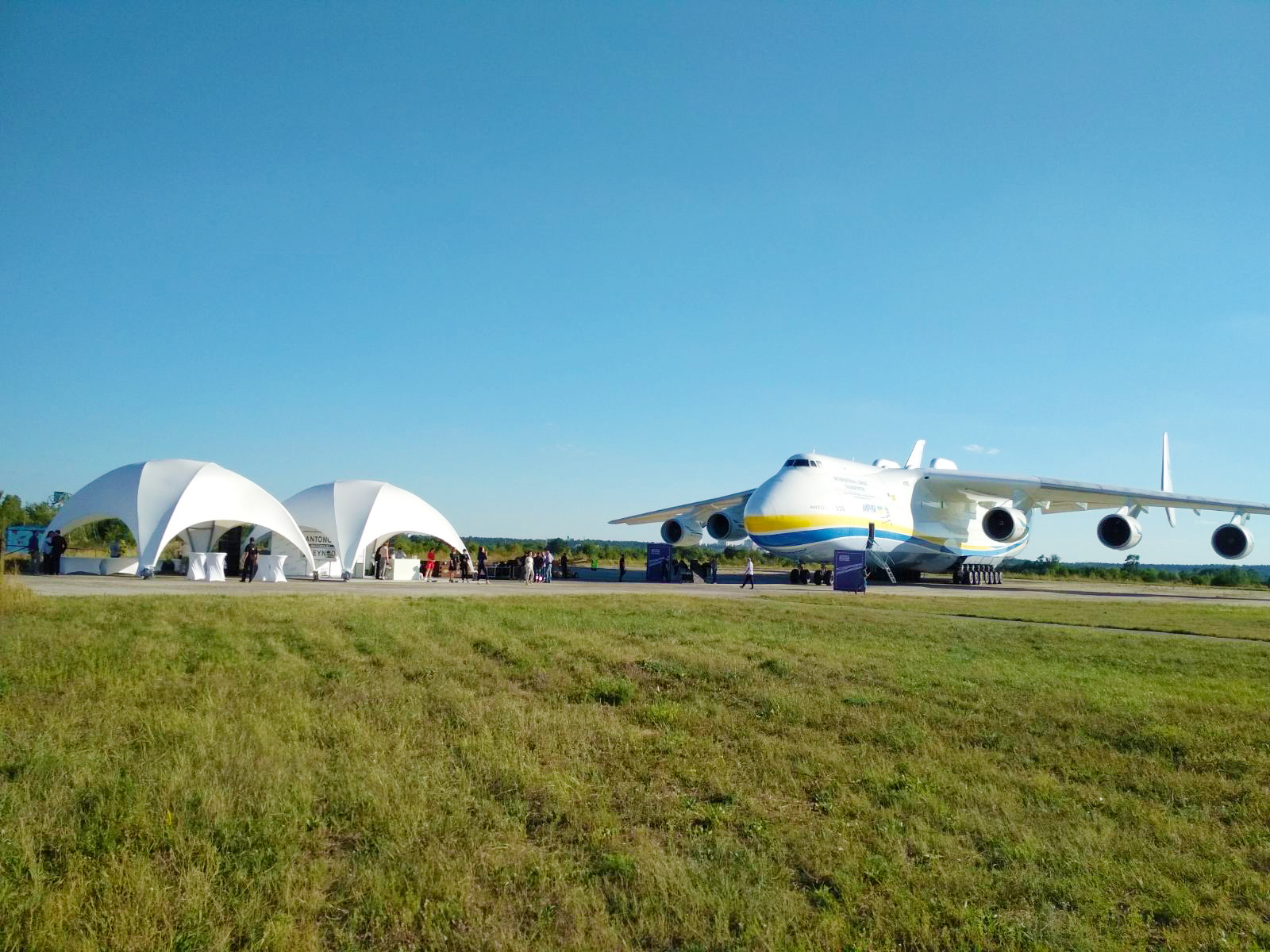
When you are hosting an outdoor brand experience or a high-end event, the weather is the one guest you can’t control. But you can control how your structure responds to it. Understanding tent wind resistance isn’t just about safety, it’s about structural integrity and peace of mind.
In this guide, we dive into the science of tents for windy conditions and why the “dome” isn’t just an aesthetic choice, but a survival mechanism.
Table of contents
The Foundation: How Much Wind Can an Average Tent Handle?
In the world of high-end event architecture, minor weather shifts shouldn’t dictate your success. Yet, many traditional event structures operate on fragile margins. Standard pop-up canopies and lightweight gazebos are typically only rated for winds up to 20–25 mph (30–40 km/h). The moment winds pick up beyond a light draft, these basic setups transform from temporary venues into structural liabilities, compromising both guest safety and brand reputation.
For industry professionals, navigating unpredictable climates requires a more sophisticated approach. The best tents for windy conditions bypass temporary quick-fixes in favor of rigorous engineering. High-end membrane structures are treated as architectural assets, precision-engineered to withstand gusts of 60 mph (100 km/h) or more without breaking a sweat.
At Creative Structures, we don’t just meet these industry standards; we redefine them. Our iconic tent structures are developed with an uncompromising focus on tent wind resistance. By pairing a robust, signature grid frame with state-of-the-art tensioned membranes, we deliver distinctive design objects that remain flawlessly stable where conventional structures fail.

The Factor of Form: Why Shape Dictates Performance in the Wind
Why does a dome-shaped tent inherently outperform a traditional square structure? The answer lies in fluid dynamics. Research published in the Journal of Wind Engineering and Industrial Aerodynamics (Wind Tunnel Measurements of Wind Loads on Hemispherical Domes) confirms that a dome shape creates a unique aerodynamic environment.
When looking for tents that can withstand high winds, shape is your first line of defense:
- Minimal drag: Airflow accelerates over the front of a dome and releases smoothly at the back. This minimizes the “drag coefficient” compared to the flat walls of a traditional canopy.
- Reduced lift: According to CFD simulations (Numerical Simulation of Wind Loads on Membrane Structures), rounded shapes drastically reduce the “lift” effect that often causes traditional tents to take flight.
- The science: A dome guides wind energy around the structure rather than blocking it like a sail.

Materials Matter: Aluminum, Fabric, and Tension
To achieve the best tents for high wind resistance, the skeleton and the skin must work in harmony.
- Framework: While fiberglass is common in camping, professional tents for windy conditions rely on high-grade Aluminum (6061/T6). It offers the perfect strength-to-weight ratio, ensuring the frame doesn’t snap under sudden lateral pressure.
- The membrane: It’s not just about the weight of the fabric, but the tension. According to studies on Tensile Membrane Structures, flexible tents that “flutter” create unpredictable pressure differences. Creative Structures utilizes high-tech PVC-coated fabrics that are kept under constant tension, preventing the “fluttering” that often leads to structural collapse in inferior models.
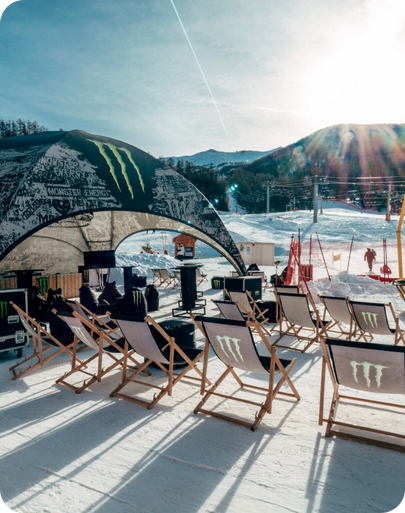
The Comparison in tent wind resistance: Dome vs. Stretch Tent vs. Canopy
When evaluating which tent brands offer the most wind-resistant models, you have to look at the architecture.
| Feature | Canopy (Pop-up) | Stretch Tent | Creative Structures (Dome) |
|---|---|---|---|
| Wind Resistance | Low | Moderate | High |
| Stability | Vertical poles only | Dependent on rigging | Omni-triangulated |
| Aerodynamics | Acts like a sail | Catch wind in flaps | Fluid airflow |
While a stretch tent offers a beautiful organic look, it is prone to “Deformed Shape” issues under high loads. In contrast, the tent in windy conditions that performs best is the dome. Its geodesic-inspired distribution of forces ensures that wind pressure is shared across the entire frame, a concept known as structural integrity through triangulation.
Pro Tips: How to Set Up Your Tent in Windy Conditions
Even the best tents for windy conditions require proper installation to reach their full potential. At Creative Structures, we don’t just supply design objects; we act as your structural partner. We proactively collaborate with your team to calculate the exact ballast requirements and assess the best anchoring solutions specifically tailored to your event location.
If challenging weather is anticipated, always adhere to these industry standards:
- Anchor early, anchor often: Use heavy-duty weights or screw-in earth anchors. For hard surfaces, concrete ballast is non-negotiable.
- Orientation: If your structure has an opening, never face it directly into the wind. This creates a “parachute effect” that increases internal pressure.
- Check tension: Ensure the cover is tight. A loose cover allows wind to get underneath, creating the dynamic loads that pull pegs out of the ground.
Elevated Design Built to Defy the Elements
Whether hosting a coastal brand activation or a mountain-side lounge, unpredictable weather requires a sophisticated approach. When prioritizing best tents for high wind resistance, compromised engineering is a liability your brand cannot afford.
By choosing a structure built on fluid dynamics and omni-triangulated stability, you invest in architectural reassurance that stands flawless when the wind starts to howl.
Get in touch with the Creative Structures team today to calculate your structural requirements and ensure your next event stands uncompromised.